Founder
Rob Stewart
Property investor. Developer. Founder of Sentinel.
Rob Stewart has spent two decades making decisions where information is incomplete, uncertainty is unavoidable and getting the judgement wrong has consequences.
First in military aviation.
Then in property.
Today, that experience sits behind Sentinel.

Rob Stewart, founder of Sentinel
01 — Where the thinking began
Judgement under pressure.
Before property, Rob was a fast-jet pilot and instructor in the Royal Air Force.
Flying fast jets teaches you something very quickly:
More information doesn't necessarily produce a better decision.
There is rarely perfect information. Instead, you learn to observe what is happening, understand what matters, make a decision and act — while continually updating that decision as the situation changes.
The quality of the outcome depends not simply on the information available. It depends on judgement. This principle would later become central to the thinking behind Sentinel.

- Observe
- Orient
- Decide
- Act
02 — Property investment and development
Then came property.
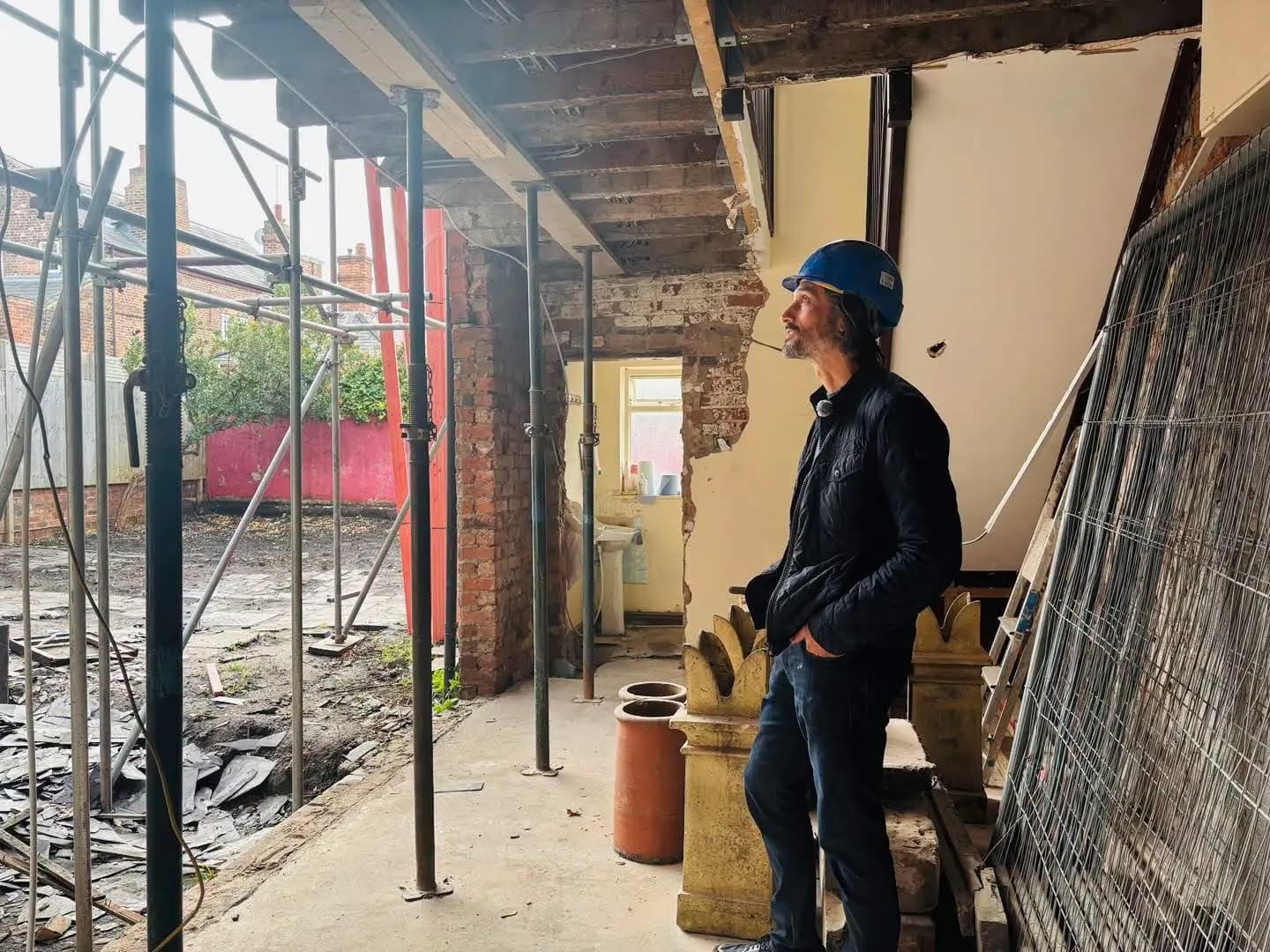
After leaving the RAF, Rob moved into property investment and development.
Over the following years he invested, developed, negotiated, financed and operated property across different market cycles.
And he began to recognise the same underlying problem. Property investors have enormous amounts of information available to them. But information rarely makes the decision.
The difficult questions are different.
- What's actually happening here?
- Where is the opportunity?
- What am I missing?
- What matters to the vendor?
- Which strategy fits this particular property?
- At what price — or on what terms — does this become a deal?
- And what should I do next?
Those questions require judgement.
The deals worth doing are rarely the obvious ones.
Years of investing and developing property taught Rob that value is often hidden beneath the initial proposition.
- A property can be wrong at the asking price and right at another.
- The obvious strategy may not be the best strategy.
- A vendor's circumstances can matter as much as the property itself.
- Terms can sometimes create value where price cannot.
- And occasionally the most valuable decision is simply to walk away.
Experienced investors develop an instinct for these things. But that instinct isn't magic.
It is accumulated pattern recognition.
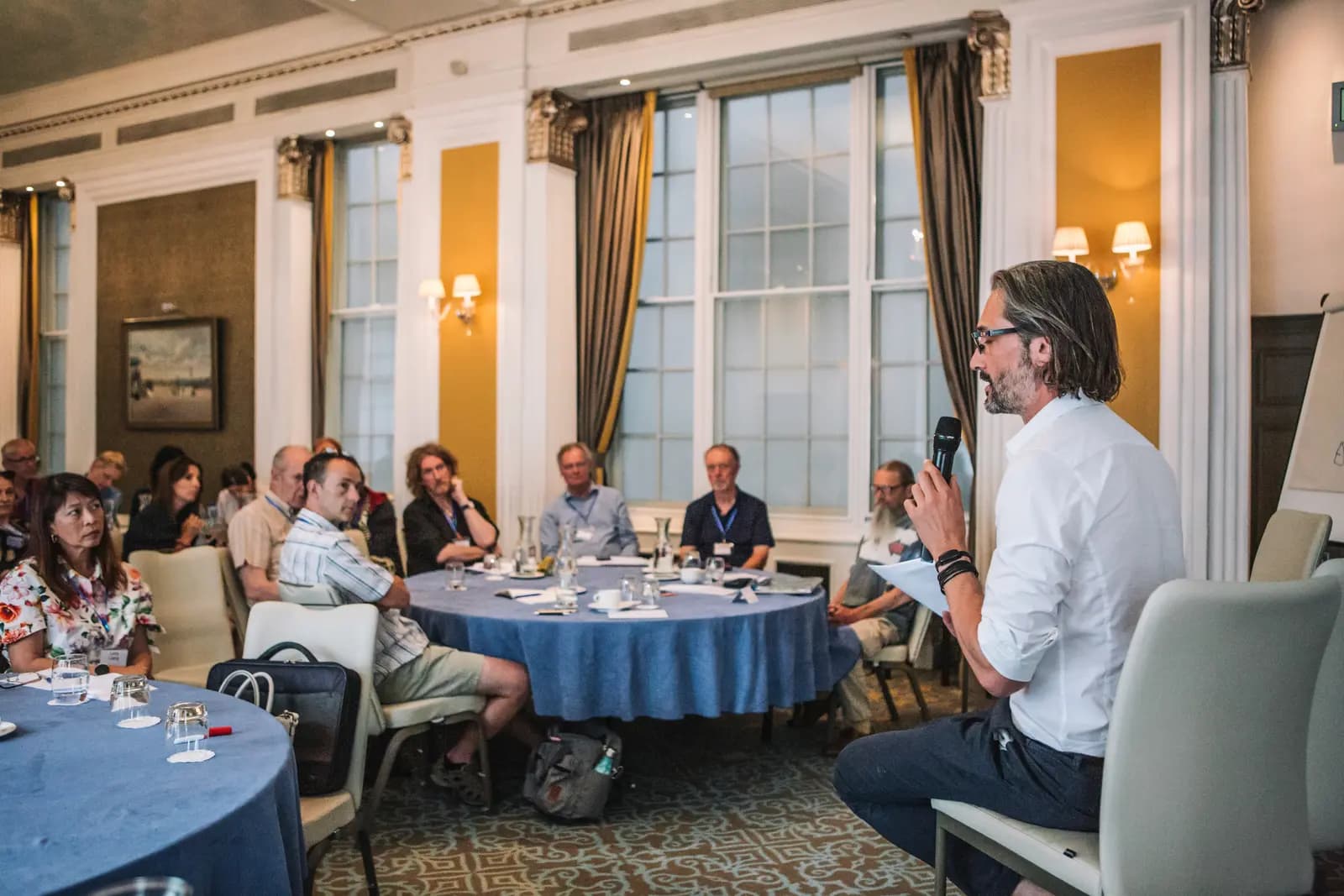
03 — Property investment training
What happens when you try to teach judgement?
Alongside investing and developing property, Rob spent years training and mentoring other property investors. That exposed another problem.
Two investors can have access to exactly the same property listing, comparable evidence and financial information — and reach completely different conclusions.
Experienced investors aren't simply calculating faster. They've built a pattern library.
- They recognise situations they've encountered before.
- They know which questions to ask.
- They notice information other people overlook.
- They understand when the numbers matter — and when circumstances matter more.
Experience doesn't scale.
Rob could sit with an investor, look at their property and ask questions.
- What is the investor actually trying to achieve?
- What else could this property become?
- Why is the vendor selling?
- What matters to them?
- Is price really the constraint?
- What would make this deal work?
But doing that personally for every investor isn't scalable.
And conventional property software wasn't solving the problem. Most tools were designed to provide more information, find more properties or calculate the numbers.
The missing layer was judgement.
That raised a much more interesting question.
Could we build a system that does the same thing?
Not one that simply provides more data. One that helps apply judgement to it.
Rob Stewart and Sentinel
That question became Sentinel.
Sentinel sits at the intersection of Rob's experience in decision-making, property development and working with investors.
The principle behind it is simple. To understand a property deal properly, you need to understand three things simultaneously.
- Asset
- What is actually possible with the property?
- Vendor
- Why are they selling and what matters to them?
- Investor
- What are you trying to achieve and what resources do you have?
Sentinel combines those perspectives with property data, market intelligence and structured AI reasoning to help investors identify, engineer and execute viable property deals. More about Sentinel
From instinct to system
Turning experience into infrastructure.
The ambition behind Sentinel isn't to replace investors. It's to give them a better decision-making system.
- A system that remembers the investor.
- Remembers the deals.
- Remembers the assumptions.
- Remembers the offers.
- Remembers the outcomes.
And becomes more useful as that decision history grows.
What previously lived in spreadsheets, notebooks, conversations and an experienced investor's head can begin to become structured decision intelligence.
The biggest misconception in property is that finding more information will automatically lead to better deals. It won't. The advantage comes from knowing what matters, seeing the possibilities and having the judgement to act.
What we're building
The AI judgement engine for property.
Give every serious property investor access to a decision-making system that gets better with every deal.
Rob founded Sentinel around that simple ambition.
Not another property portal. Not another calculator. Not another course.
A system that helps you think. One that can challenge you when the numbers don't work. Explore alternatives when they might. Help structure the offer. And keep you moving when there is a deal worth pursuing.
See pricing, or get in touch with Rob.